Blog
Water Heater Tank vs Tankless: Pros & Cons Explained
Compare tankless vs tank water heaters for homes and businesses. Learn which water heater saves energy, costs less, and lasts longer.
40+ Years
Serving Portland
NATE Certified
Expert Technicians
24/7
Emergency Service
Free Estimates
100% Guaranteed
The Heating Specialist
Water heaters play a crucial role in your home, providing hot water for both your comfort and cleaning needs. The two major types of heaters are tank and tankless varieties, each with its own pros and cons. If you’re in the market for a new water heater, here’s what to know about tank versus tankless models so you can make the right choice for your property.
What Do Tank Water Heaters Do?
Tank water heaters, also known as storage water heaters, are a staple in many homes and businesses. These systems operate by maintaining a large amount of water at a constant temperature and ready to use in an insulated tank. Tank sizes typically range from 20 to 80 gallons, with different sizes appropriate for the specific needs of a household or commercial setting. That said, they do require significant space for installation and can experience standby heat loss, which may impact energy efficiency.
In homes, tank water heaters are popular because they provide a consistent supply of hot water for various tasks, such as showers, dishwashing, and laundry. They are especially useful in households with high hot water demands, as they can deliver hot water immediately from their reserve.
For businesses, especially those such as restaurants, hotels, and laundromats, tank water heaters are essential due to their ability to supply large amounts of hot water quickly. Their ability to store and deliver hot water efficiently makes them ideal for environments with predictable and high water usage.
How Do Tankless Water Heaters Work?
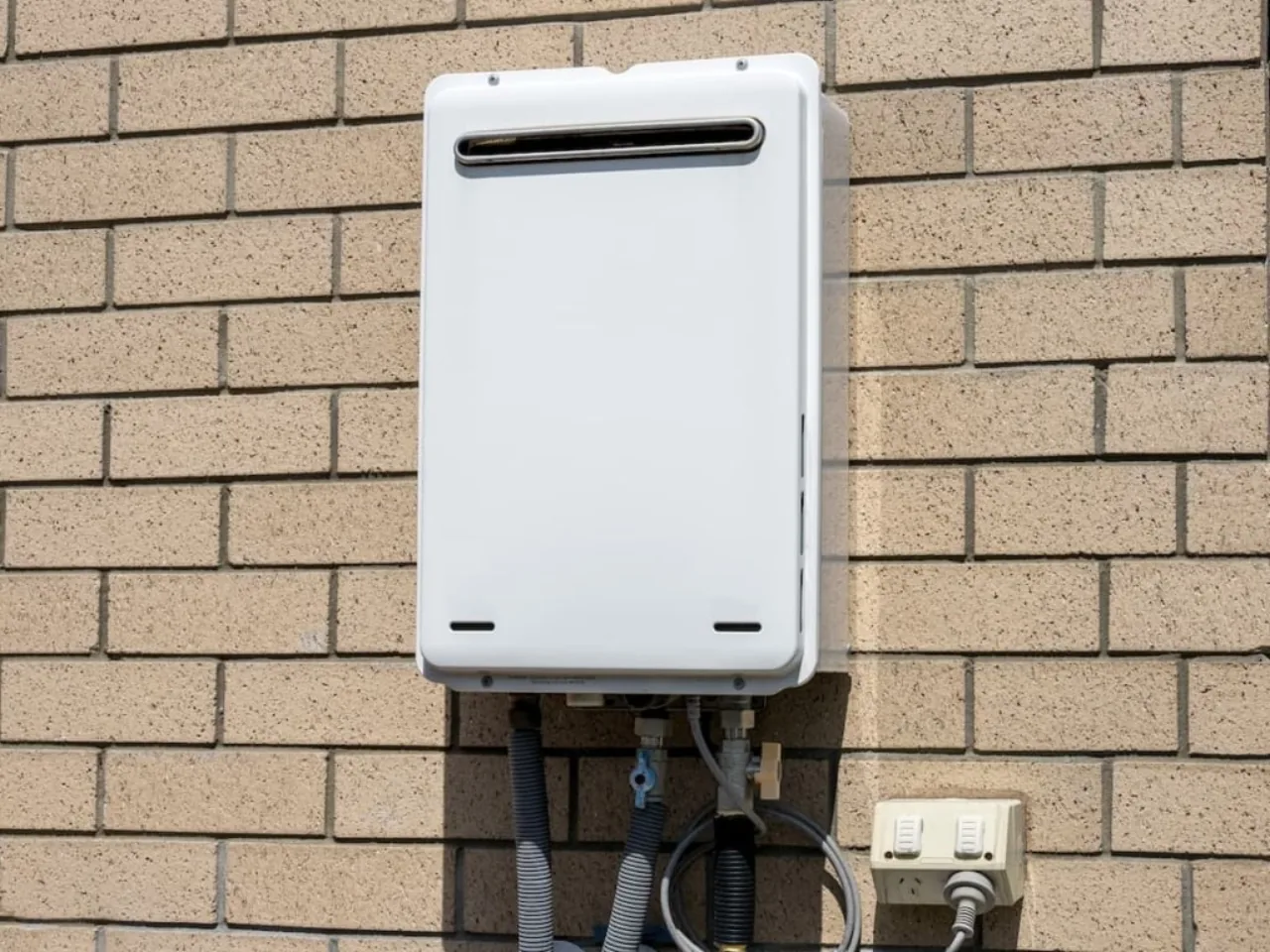
Tankless water heaters, often called on-demand systems, heat water directly as it flows through the unit, eliminating the need for a storage tank. This means hot water is available whenever you need it, heated by either a gas burner or an electric element as it passes through the system.
In homes, these heaters are valued for their ability to deliver a steady stream of hot water, making them ideal for households with moderate hot water needs. They can handle multiple tasks, such as showers and dishwashing, without running out of hot water.
For businesses, tankless systems are perfect for those with sporadic hot water needs, such as offices or retail spaces. They are also a smart choice for places that prioritize saving space and energy, as they are compact and only heat water when needed, which can result in lower energy bills.
Tankless vs Tank Water Heater
Several factors influence the decision between tankless and tank water heaters. Some things to consider when you buy include:
Lifespan
In Portland, Oregon, Tankless water heaters typically last longer, often exceeding 20 years with proper care, compared to the 10 to 15 years expected from tank models. Longevity depends on factors such as water quality and regular maintenance routines.
Efficiency
Tankless models are more energy-efficient because they avoid standby heat loss, which can result in significant savings on energy bills, especially in homes with lower hot water usage. However, tank heaters might be more efficient for locations with high, consistent demand due to their ability to store and quickly deliver large amounts of hot water.
Cost
While tankless heaters have higher upfront costs for purchase and installation, their long-term savings on energy and extended lifespan can offset these expenses. Tank models are initially cheaper but may incur higher energy costs and require more frequent replacements.
Installation
Installing a tankless system can be more involved, often requiring updates to the plumbing or electrical systems, which can increase the overall cost. Tank heaters are generally easier and less expensive to install, making them a straightforward option for many.
Maintenance
Regular maintenance is essential for both types of water heaters. Tankless units may require descaling in areas with hard water, whereas tank models typically require flushing to prevent sediment buildup. Maintenance costs are similar, though tankless systems might need less frequent service.
When to Choose Tank vs Tankless
Whether you need a tank or a tankless water heater will depend on your specific needs, budget, and available space. Large households or businesses with high, consistent hot water demands might benefit more from a tank water heater. In contrast, smaller households or businesses focused on energy efficiency and saving space might find tankless systems more suitable. Consider the long-term costs and any potential upgrades needed for tankless systems.
Find the Right Water Heater for Your Needs
Deciding between a tank and a tankless water heater depends on your specific needs and priorities. Tank water heaters are well-suited for environments with high, consistent hot water demands, offering a steady supply throughout the property. In contrast, tankless models are ideal for those who value energy efficiency and space-saving, catering to moderate hot water needs.
The Heating Specialist can help you make the right choice, breaking down these and other factors you should consider. Explore our tankless water heater installation and water heater services, or contact us today to request service and start upgrading your water heating system.
Image Credit: Emagnetic/ Shutterstock

Google Reviews
See why Portland homeowners trust The Heating Specialist.
Your Comfort Is Our Top Priority
Family-owned since 1981. NATE-certified technicians. Free estimates. 24/7 emergency service.