
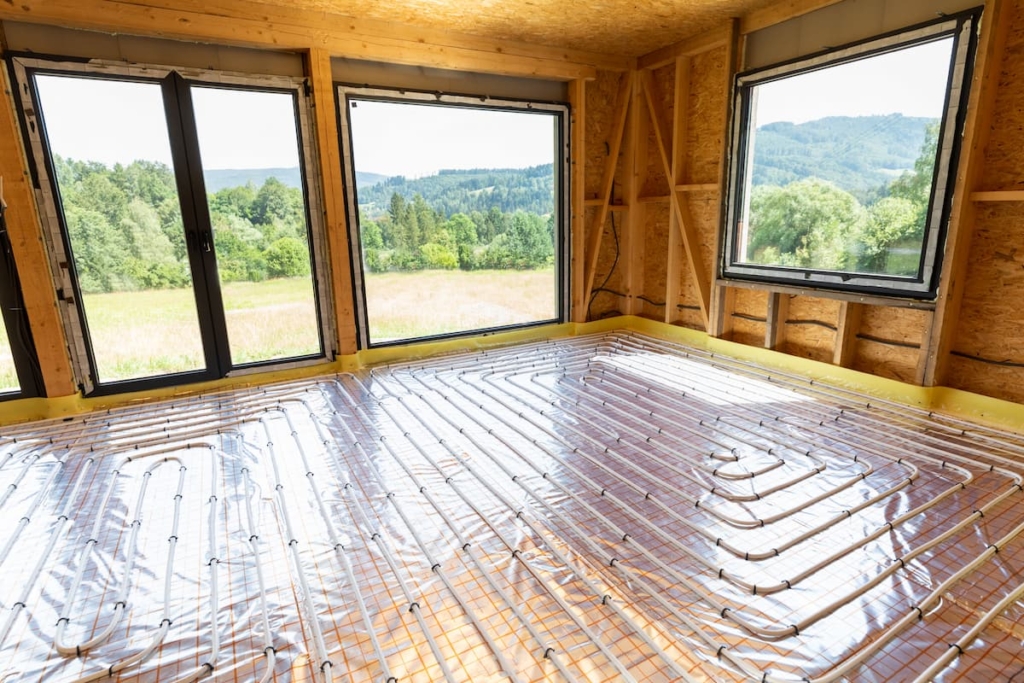
Radiant Heating System: What Is Radiant Heat in a Home?
Warming your home in the Oregon winter often means relying on a furnace or heat pump, but not every system delivers the same level of comfort. So, what is radiant heat in a home? It’s an effective method of heating that warms surfaces instead of just circulating hot air. Learn more about how a radiant heating system works, the benefits it provides, and what to consider if you’re thinking about installing one in your home.
What Is Radiant Heat in a Home?
Radiant heat is a form of heating that warms surfaces instead of pushing warm air through vents. It transfers warmth directly to people and objects in the room instead of relying on fans or ducts. This creates an even, comfortable environment where floors, walls, and furniture hold heat, reducing the drafts and temperature swings common with forced-air systems. Homeowners notice the difference because the warmth feels consistent and natural, much like how the sun warms the earth from the ground up.
How a Radiant Heating System Works
A radiant heating system heats through hidden components beneath the floors, walls, or ceilings through two main types.
- Hydronic systems use a network of pipes to circulate warm water from a boiler.
- Electric systems rely on heating cables or mats powered by electricity.
Both methods distribute heat evenly across surfaces, minimizing energy loss and creating a steady temperature throughout the home.
Benefits of Radiant Heating: Energy Efficiency and Comfort
A radiant heating system does more than simply keep rooms warm; it improves comfort and efficiency in ways that traditional heating often cannot. Because heat rises evenly from the floor, there are no cold spots near windows or overheated areas near vents. The result is steady warmth that feels natural throughout the space.
Some of the biggest advantages include:
- Energy efficiency: Lower operating temperatures reduce energy use compared to forced-air systems.
- Consistent comfort: Even distribution eliminates drafts and temperature swings.
- Healthier air: Without ducts blowing dust or allergens, indoor air stays cleaner.
- Quiet operation: Radiant systems run silently, without fans or blowers.
For families looking for a heating upgrade, these benefits create a cozier, healthier, and more cost-effective home environment.
Radiant Heating System vs. Other Heating Methods
Selecting a suitable heating method often involves balancing comfort, efficiency, and cost. A radiant heating system differs from furnaces and heat pumps in that it delivers warmth directly through surfaces instead of circulating air.
- Radiant heating systems: Provide steady, even heat with lower energy loss. They minimize drafts, reduce allergens, and create lasting comfort.
- Furnaces: Heat air and push it through ducts, which can lead to uneven temperatures and higher energy use from air leaks.
- Heat pumps: Offer both heating and cooling, but they may struggle to maintain warmth in very cold conditions.
While installation costs for radiant systems can be higher, the long-term comfort and efficiency often outweigh the initial investment.
Installation Considerations and Costs
Before choosing a radiant heating system, homeowners should understand what installation involves. Because the system runs beneath floors, walls, or ceilings, it is often easiest to install during new construction or major remodeling projects. However, depending on the flooring type and layout, retrofitting an existing home can be more complex and expensive.
Key factors to consider include:
- Home size and design: Larger spaces require more materials and labor.
- Flooring type: Tile and concrete conduct heat well, while carpet may reduce efficiency.
- System type: Hydronic systems typically cost more to install but can lower operating costs over time.
Many homeowners find that energy savings and long-term comfort make radiant heating a worthwhile investment.
Is Radiant Heating Right for You?
A radiant heating system offers steady warmth, improved efficiency, and a healthier indoor environment compared to traditional methods. By understanding what radiant heat in a home is and how it works, you can decide if it’s the right fit for your space.
Ready to explore your options? Contact us at The Heating Specialist to learn more or request professional service today.
Image Credit: Leszek Glasner/Shutterstock